
Veteran Affairs Program
I was the project lead and a field-researcher for a consultancy services partnership provided by AT&T to the federal government to help them protect Veterans and other beneficiaries who, due to injury, disease, or age are unable to manage their financial affairs.
Imp1act
Multiyear contract between AT&T and federal government
Veteran Affairs
created new content and processesfor veterans and their families
made updatesfor mobile field examinations
Goals
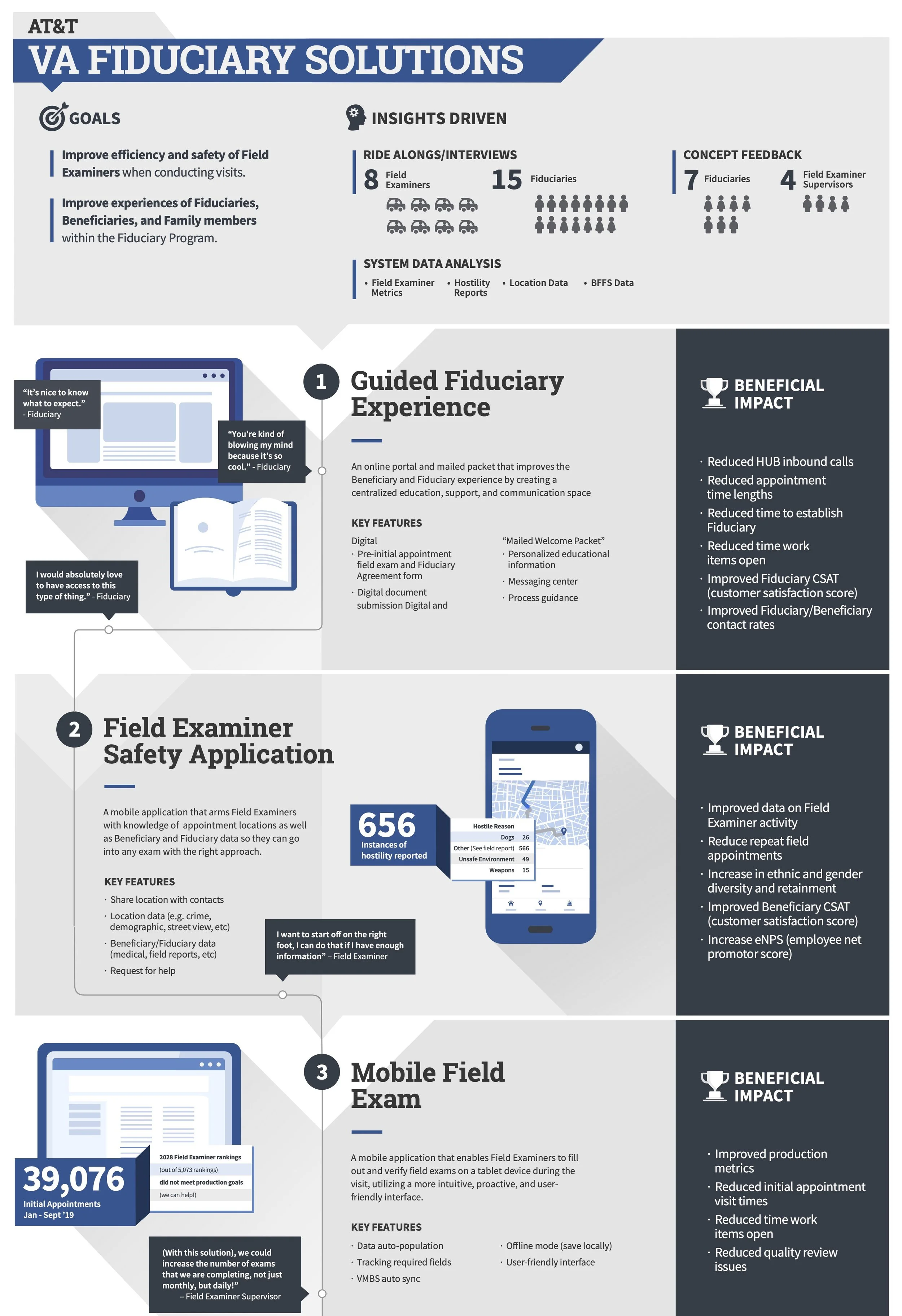
Improve the efficiency and safety of Field Examiners when conducting visits
Improve the overall experiences of Fiduciaries, Beneficiaries, and Family members within the Fiduciary Program
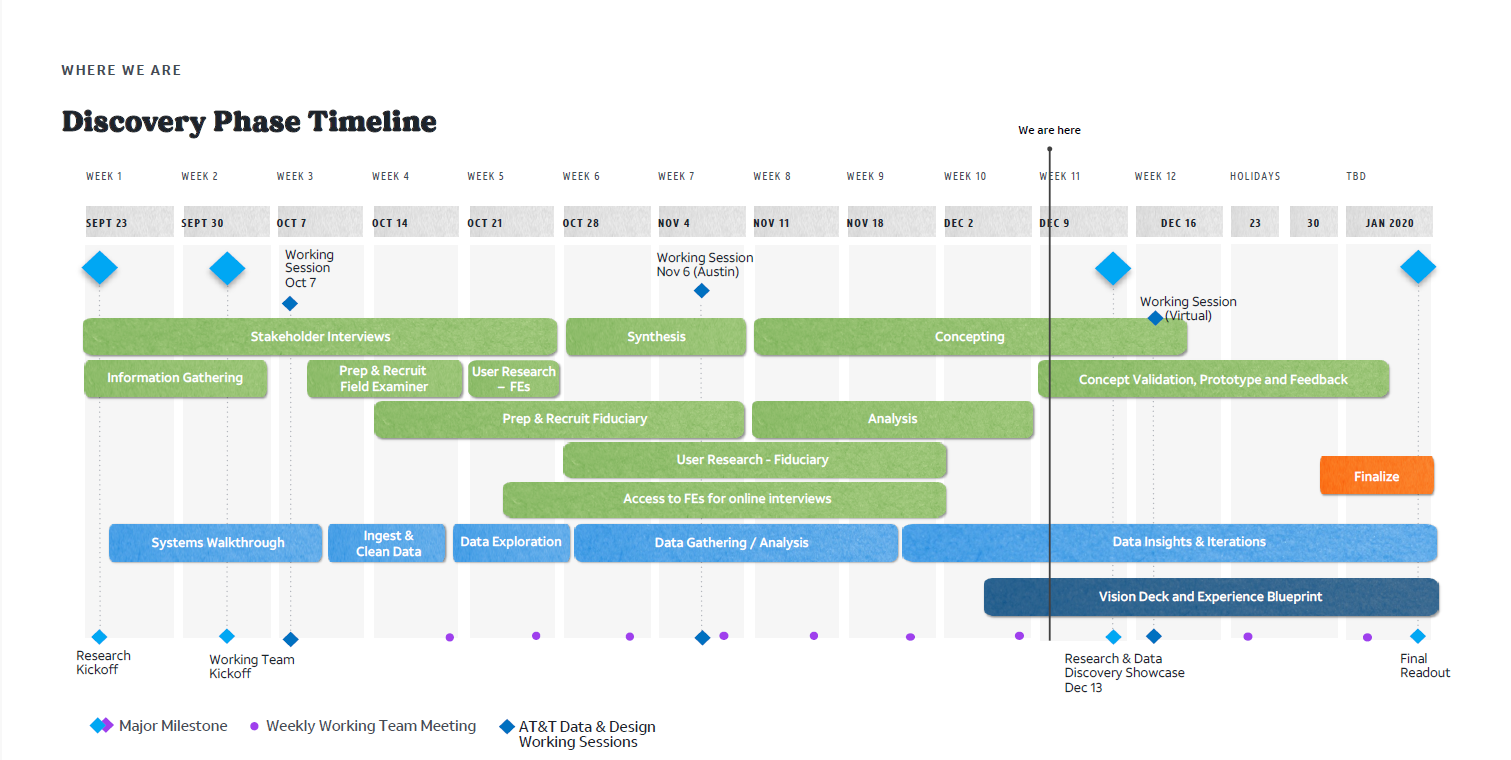
Research
15 | Observational sessions
11 | Prototype concept feedback sessions
Deliverables
3 Journey Maps
Insights (presentation & excel)
3 Prototypes
Product requirements
Architecture map and build plan
Project Team
Lead | myself
UX Research | 2,+ myself
UX Design | 2
Program Manager | 1
Data Science | 1
Engineers | 2
Account Manager | 2
Collect data
Field Observations and Interviews
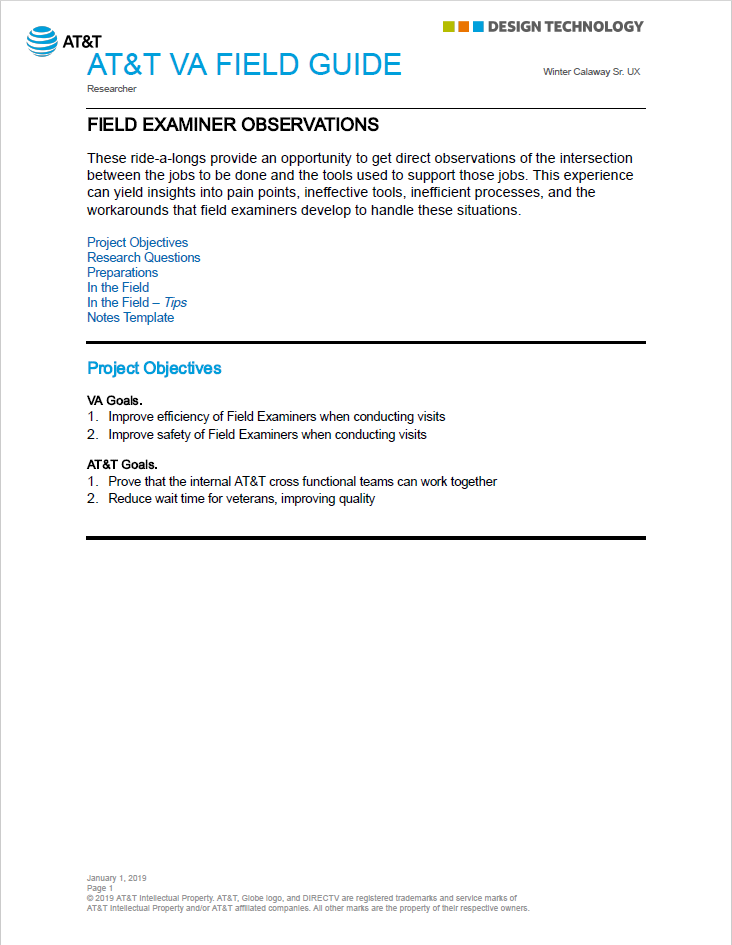
Field Observations | We observed Field Examiners visiting Veterans, their families, and other Fiduciaries. This was delegate as most of these families were facing difficult decisions and changes in their lives.
I created an ethnographic field guide that defined best practices in behavior, types of information to look for, types of questions to ask, and data collection.
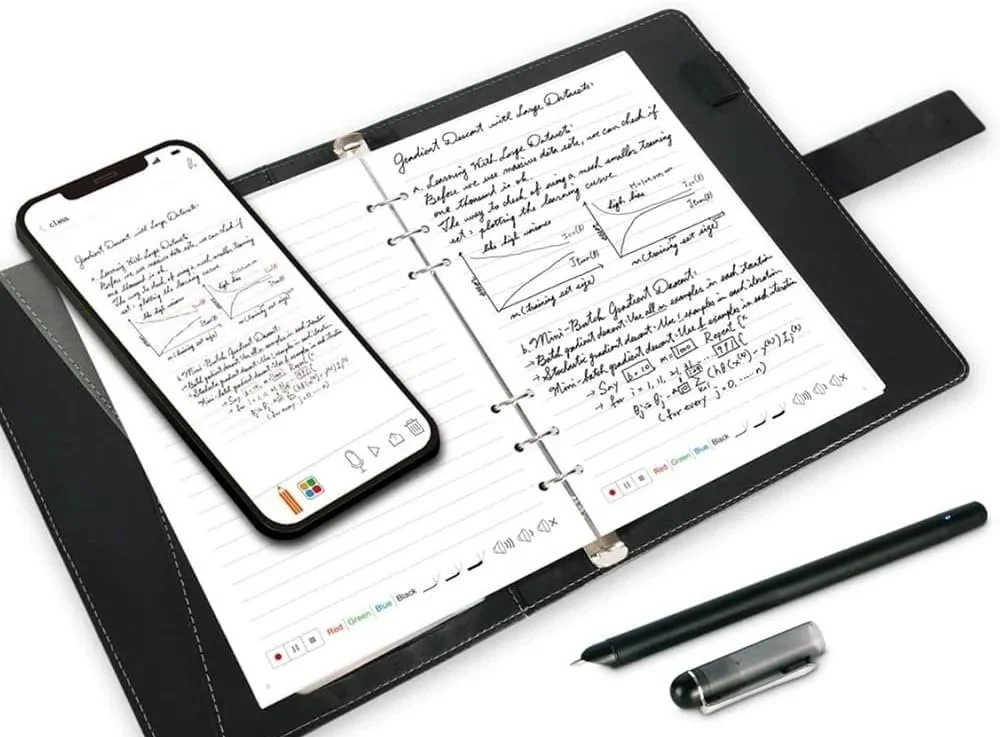
I broke everyone up into teams of two. 1 person to document quotes and pictures and the other to take lead in interactions and in-depth notes. We used digital pens that would automatically save hand written notes to a mobile application.

Identify Opportunities
Thematic analysis & journey mapping
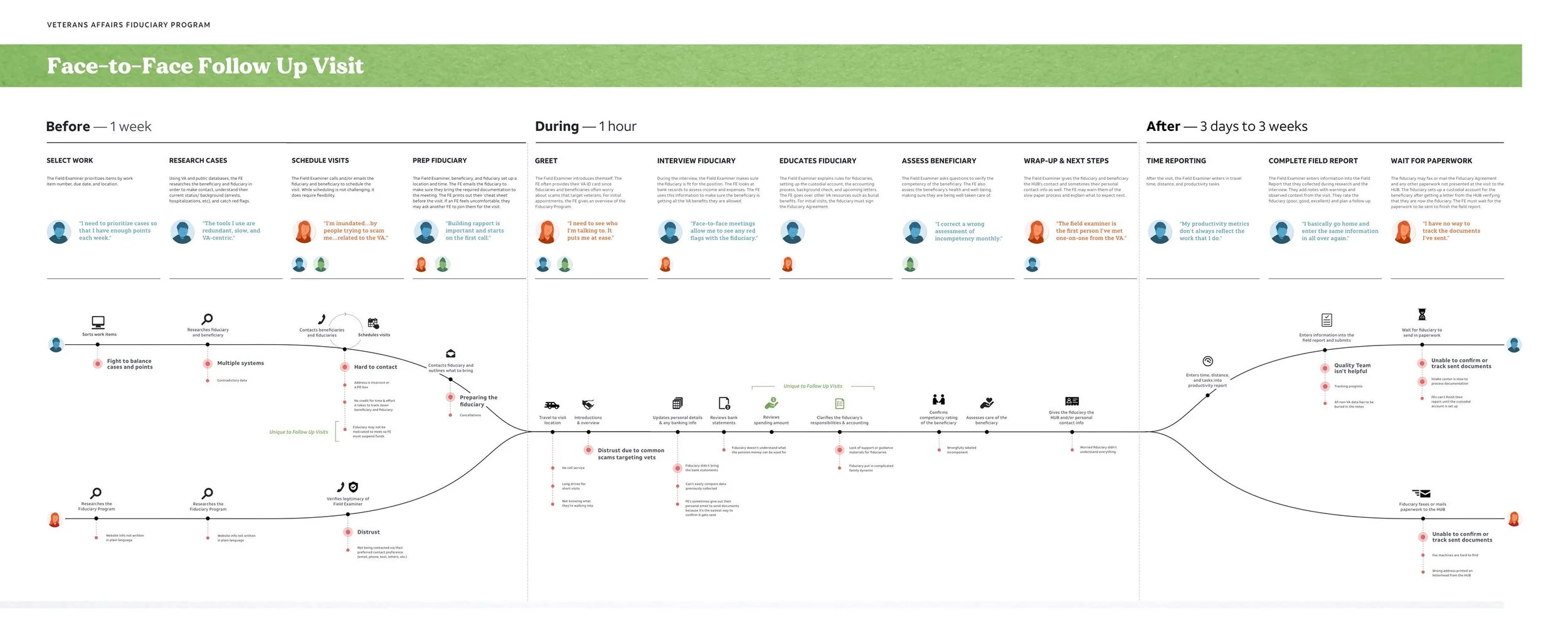
Analysis | We used Optimal Workshop’s qualitative analysis tool to analyze all qualitative field data collected. While we analyzed and cleaned the data, we collectively built out a journey map documenting the common steps, friction points, and needs across the users.
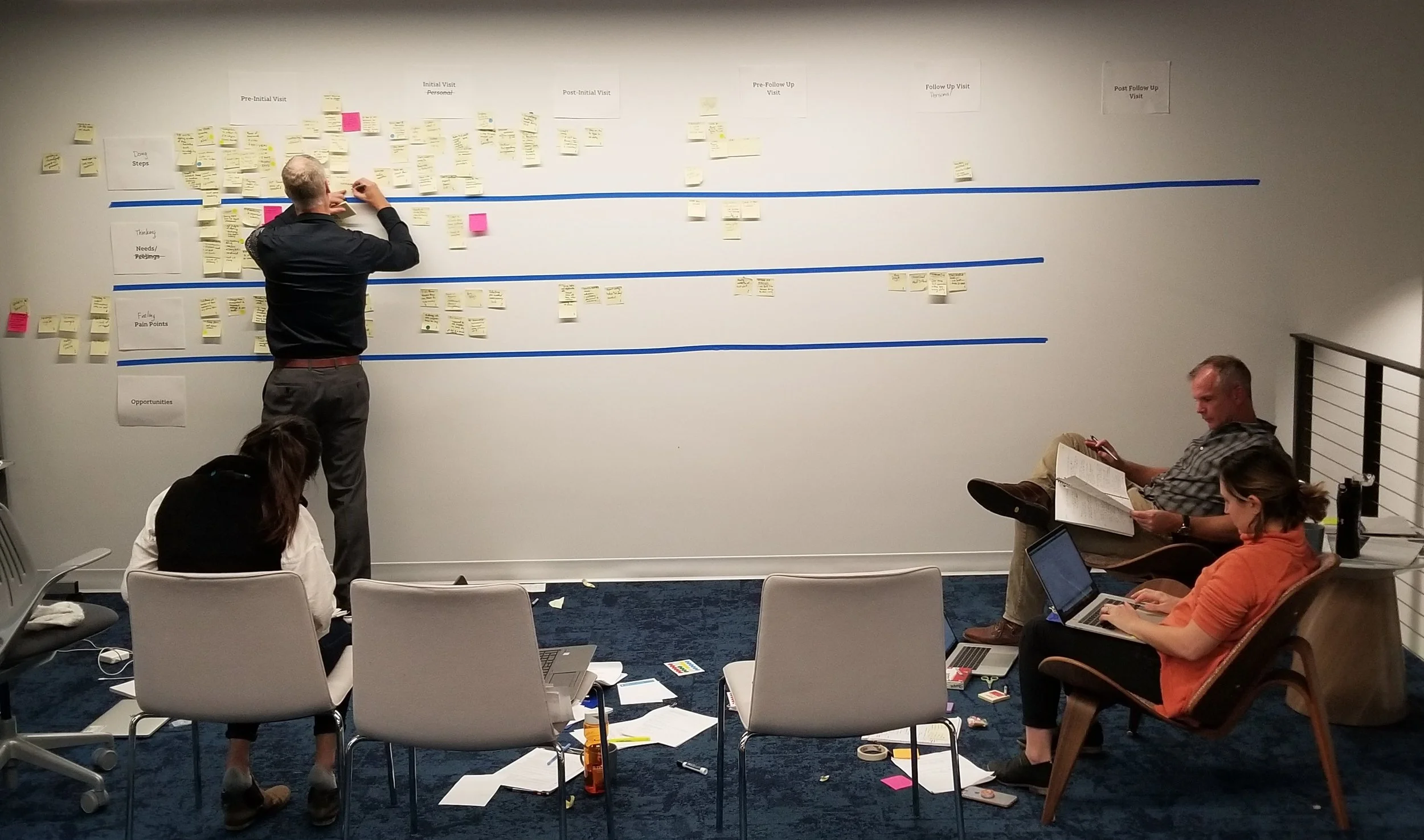
researchers
designers
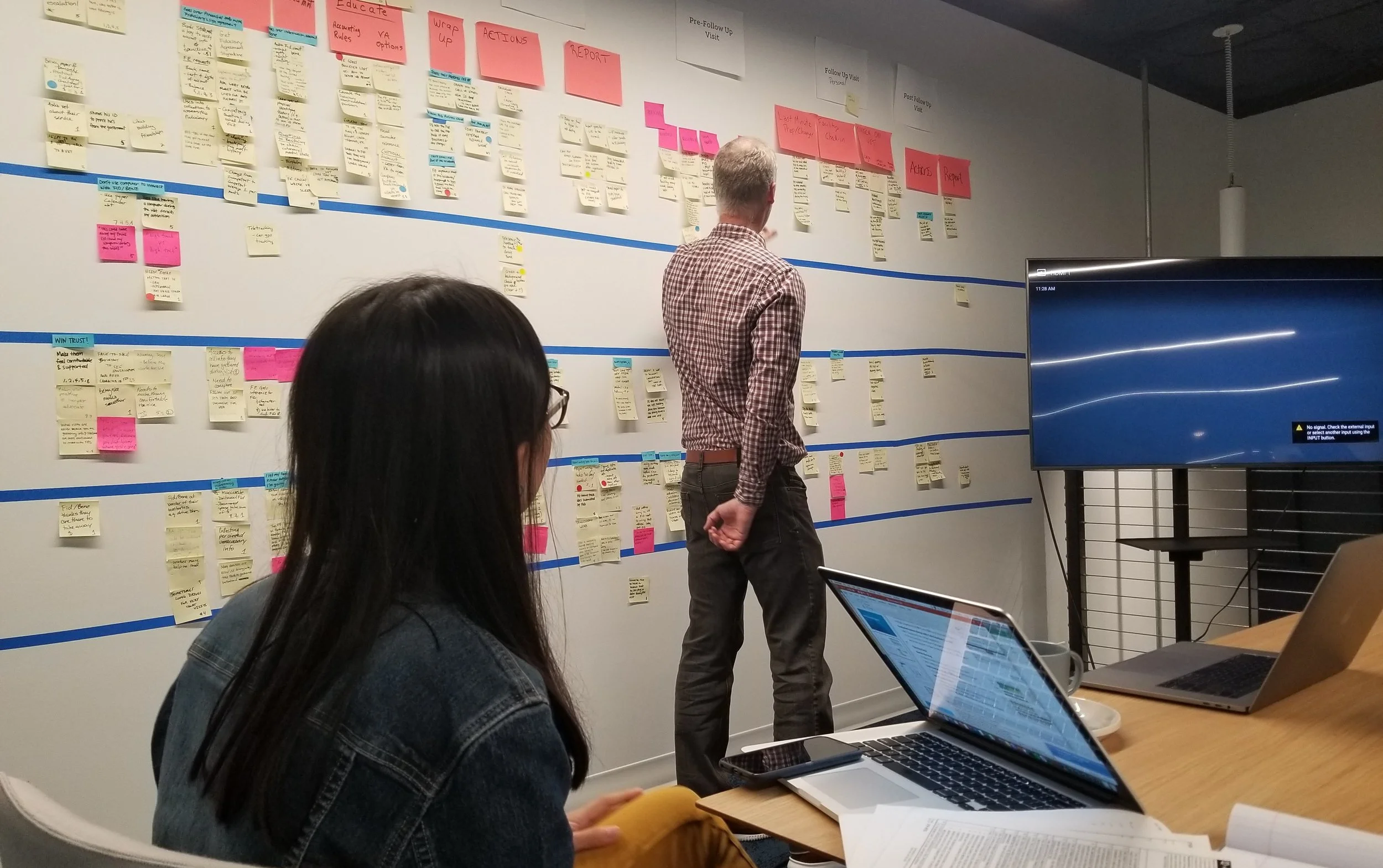
data scientist
Key Findings
Everyone needed to able to
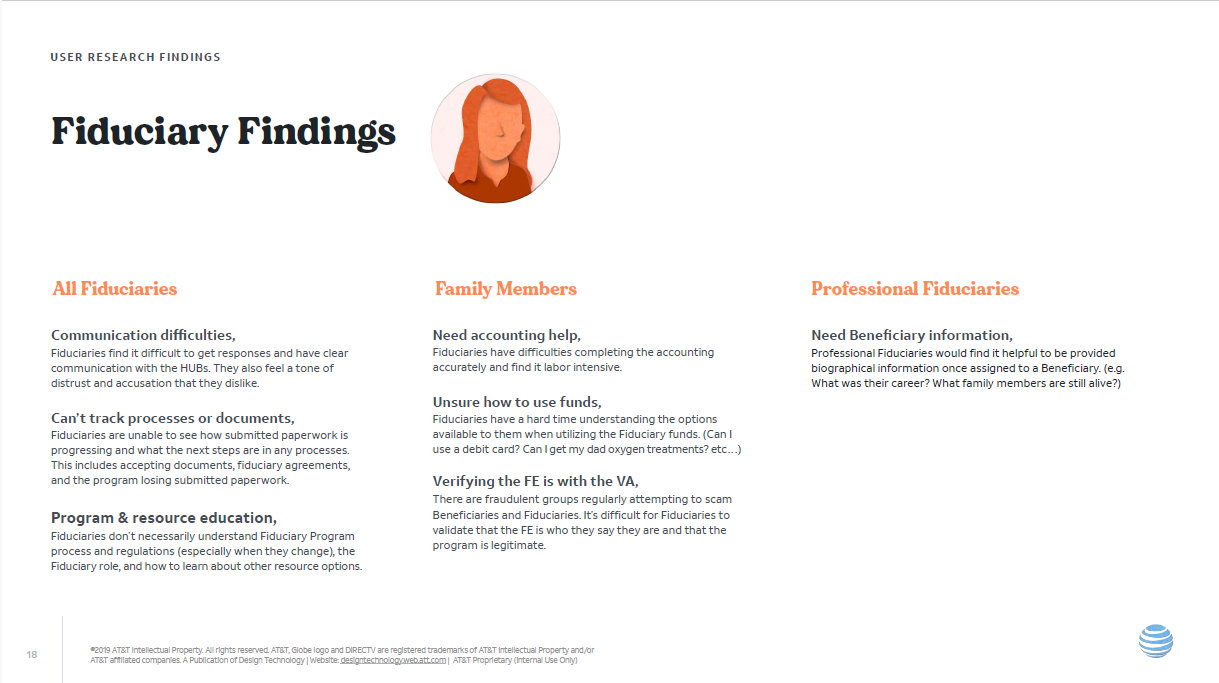
Keep on track | All participants needed help tracking work items, proactive notifications, simplified communication channels, and improve task data
Know what they’re getting into | Participants needed access to program member’s data, hospital and criminal data, efficient search capabilities, and educational materials and content.
Employees needed
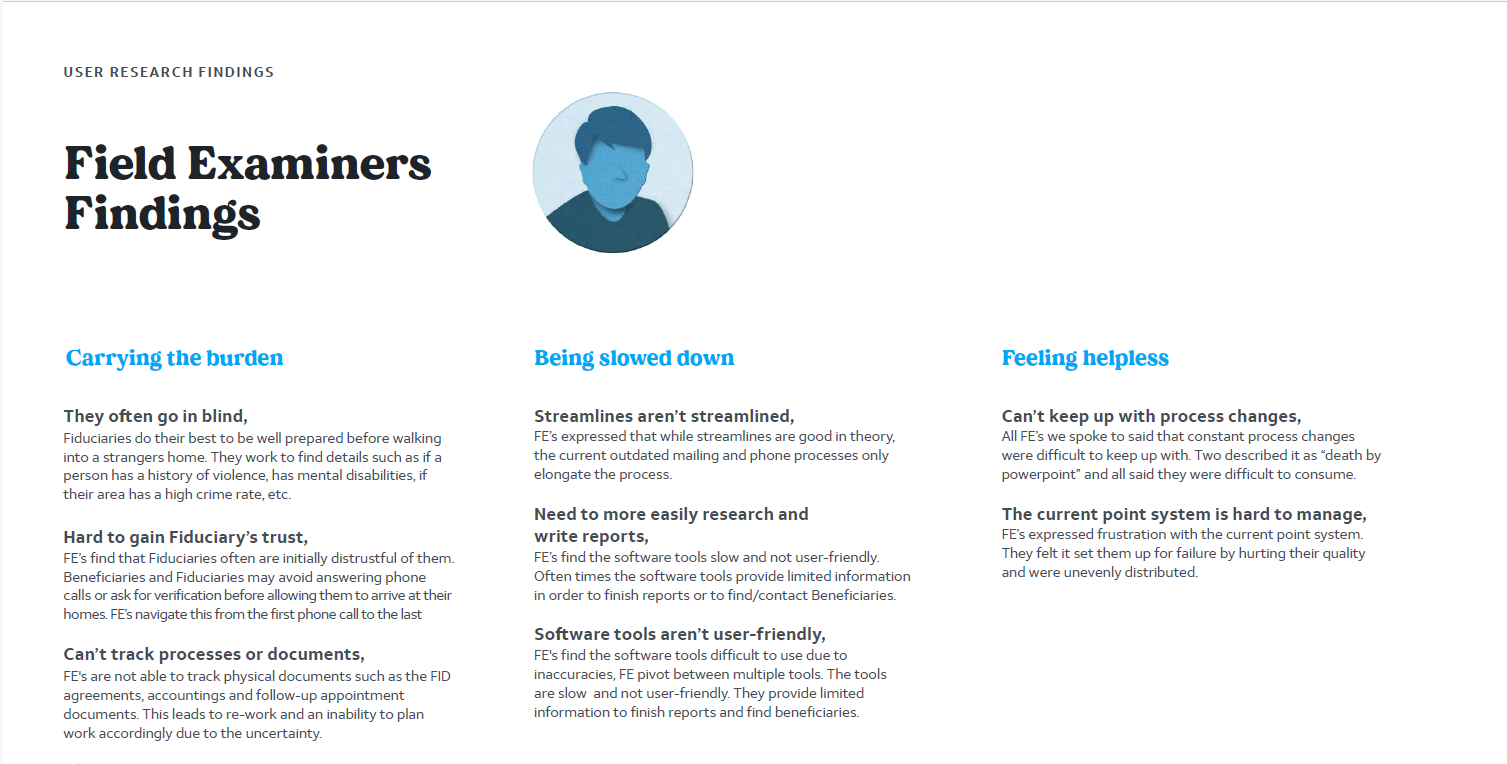
Integrated assistance | Field Examiners needed access to IT support, clearer process changes, increased communication capabilities, and enhanced tracking data.
To make in-depth reports easily | Examiners needed more user friendly tools that accommodate their mobile jobs, improved research capabilities, editable data and processes, simplified submission steps, and ways to catch report quality errors.
Program members needed
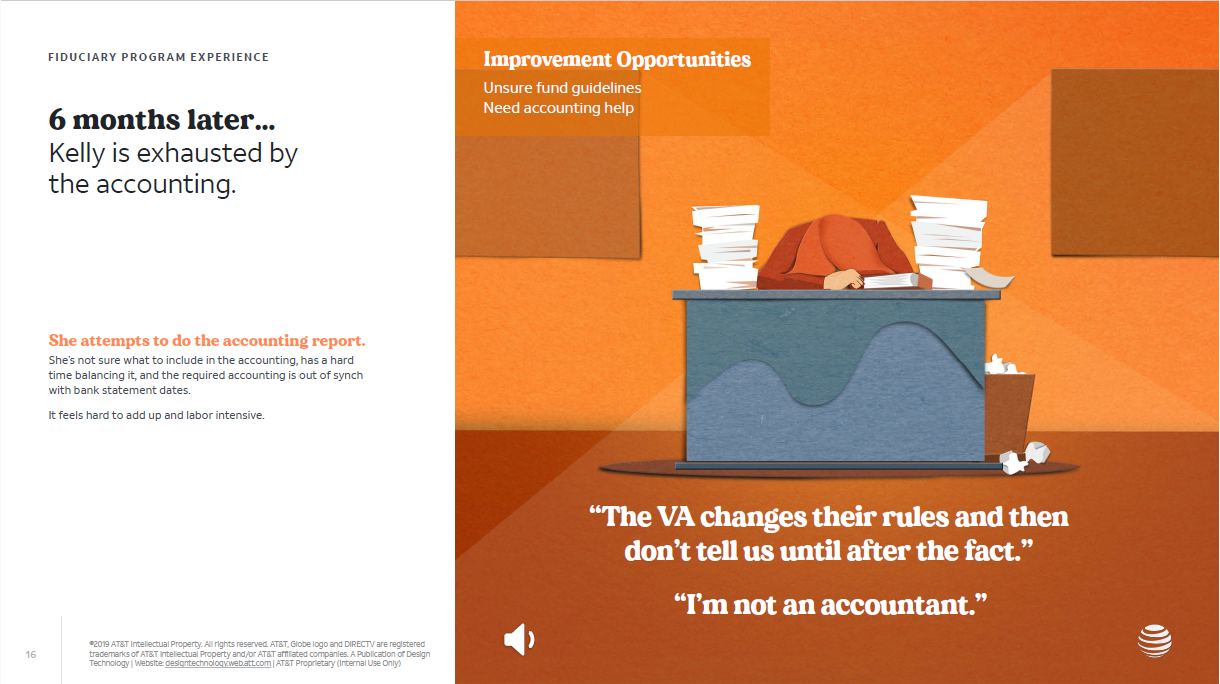
Guided support | Fiduciaries needed clarity in audit and accounting guidelines, provided open and tracked communication, easy to consume educational content, access to support point-of-contacts, and reduction in dependency on the Field Examiners to make updates/edits.
Ideate and prioritize
Brainstorm workshop and feedback sessions
Workshop | Our Austin studio team invited engineers, data scientists, and account managers to discuss research findings with our research and design team. We held a workshop to explore “How might we” statements based on insights. We generated over 150 ideas, then grouped similar ideas and skills. We prioritized them and noted questions and concerns for each one.
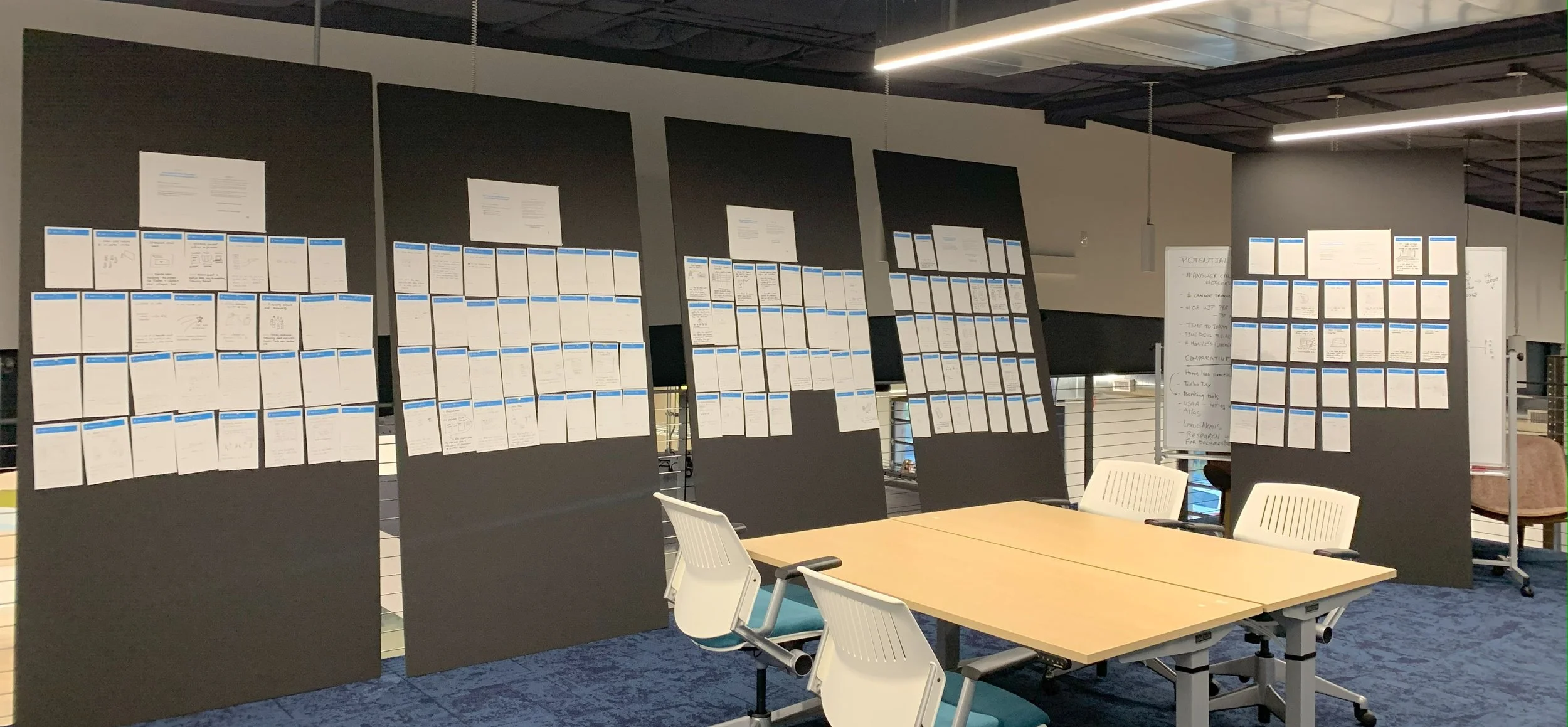
Prioritization | After the workshop, we asked the expert participants to provide insights on the feasibility, desirability, and usability of the ideas. We collectively prioritized and handed the top ideas to designers for finalization, resulting in three concepts with multiple features.
We presented the research and concepts in Washington, DC, to the Director of Modernization and Process Improvement and his team, who were impressed and forwarded our proposals to the Head of VA Benefits.
CONCEPTS
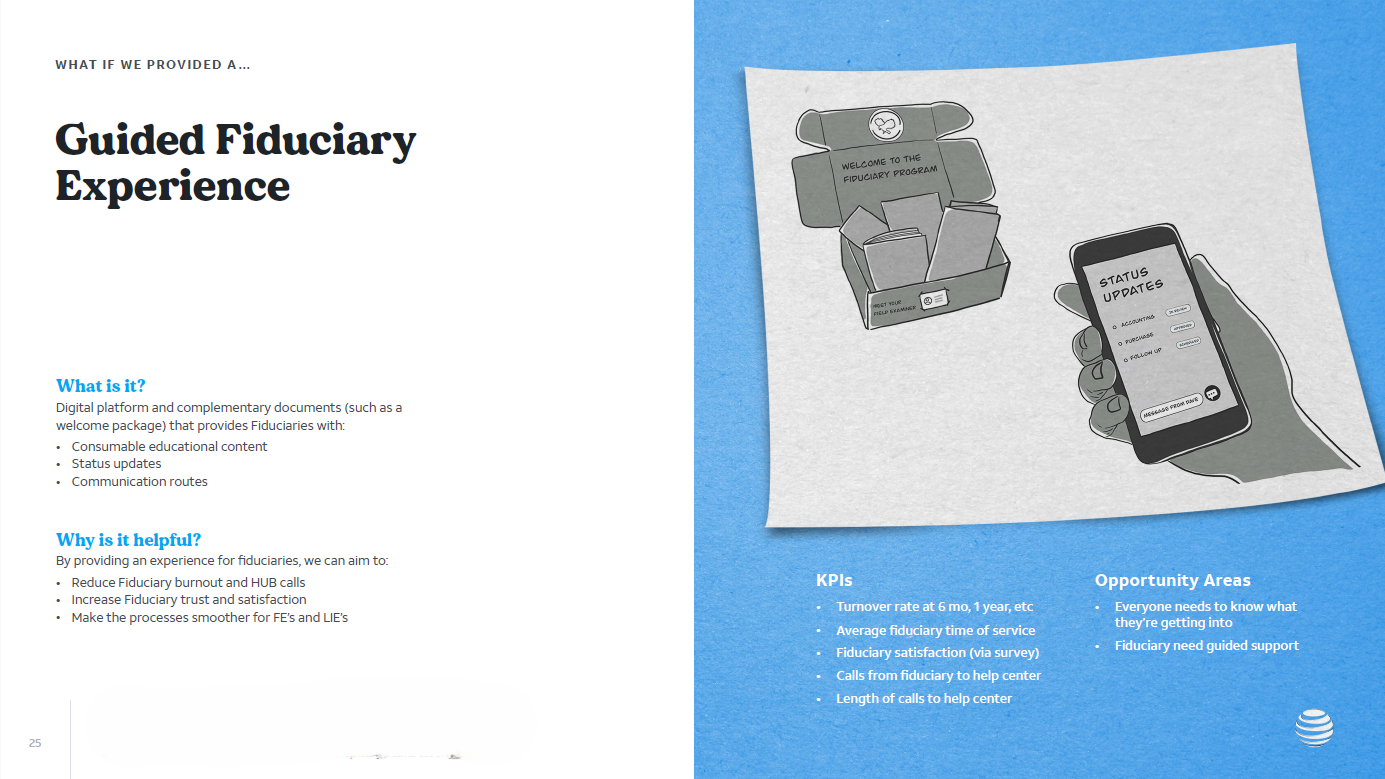
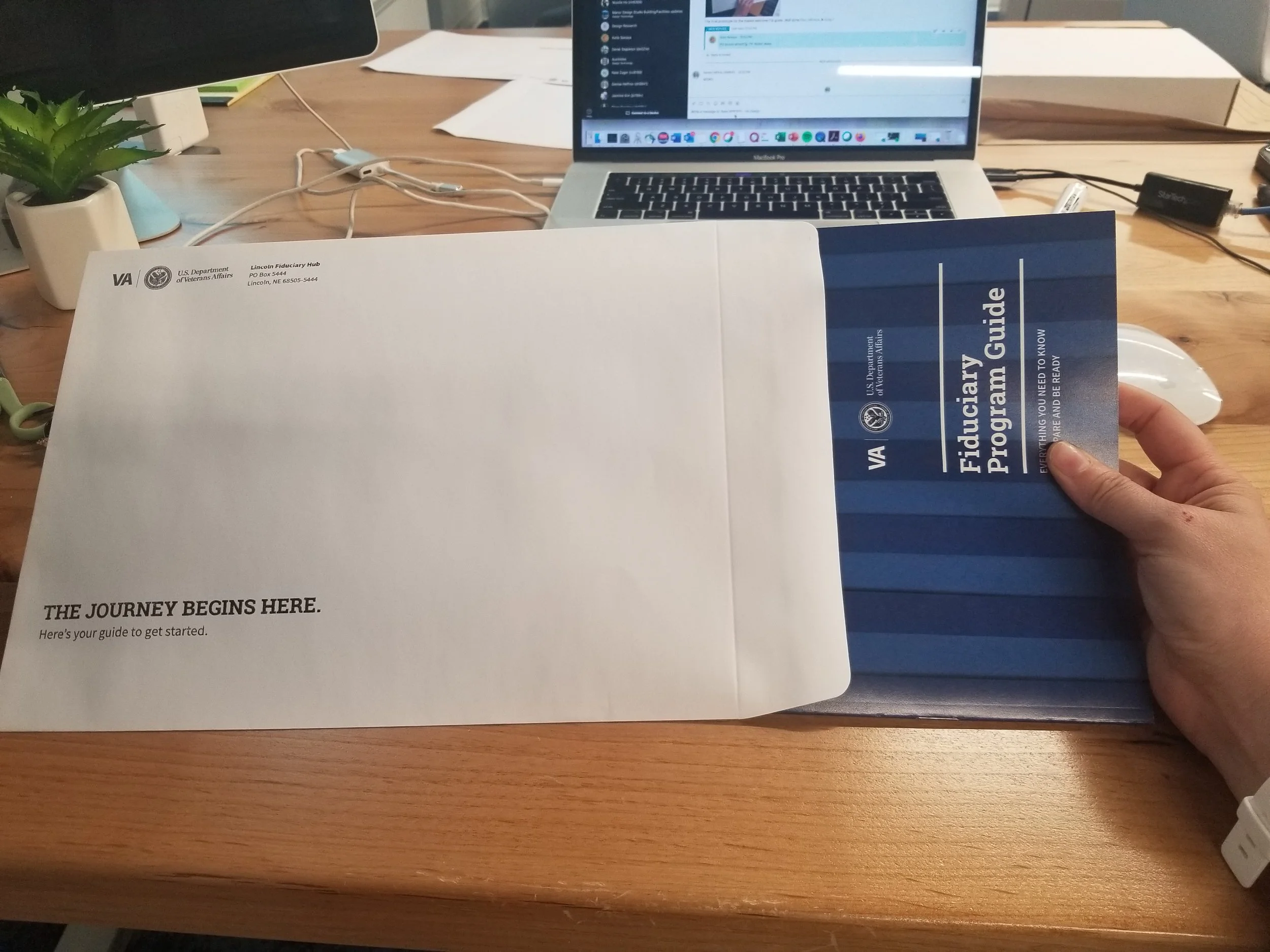
Guided Fiduciary Experience | Digital education, tracking and communication platform and complementary welcome packet.
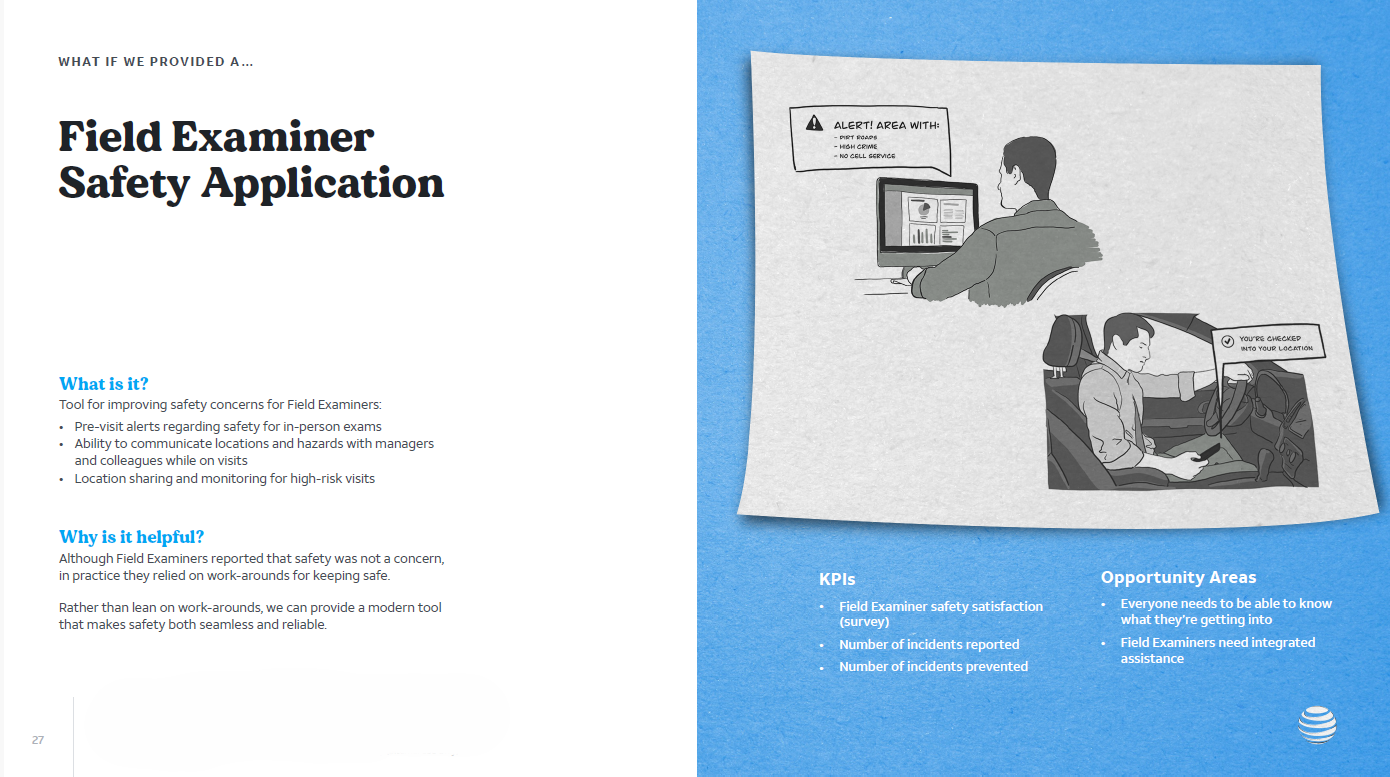
Field Examiner Safety Application | A mobile application to provide pre-visit alerts with safety information, location sharing and hazard monitoring with management and colleagues.
Work Item Progression Tool | A platform that provides one place for document and event tracking and proactive status notifications.
Test, refine, and package
Test the ideas, iterate, and package a delivery plan
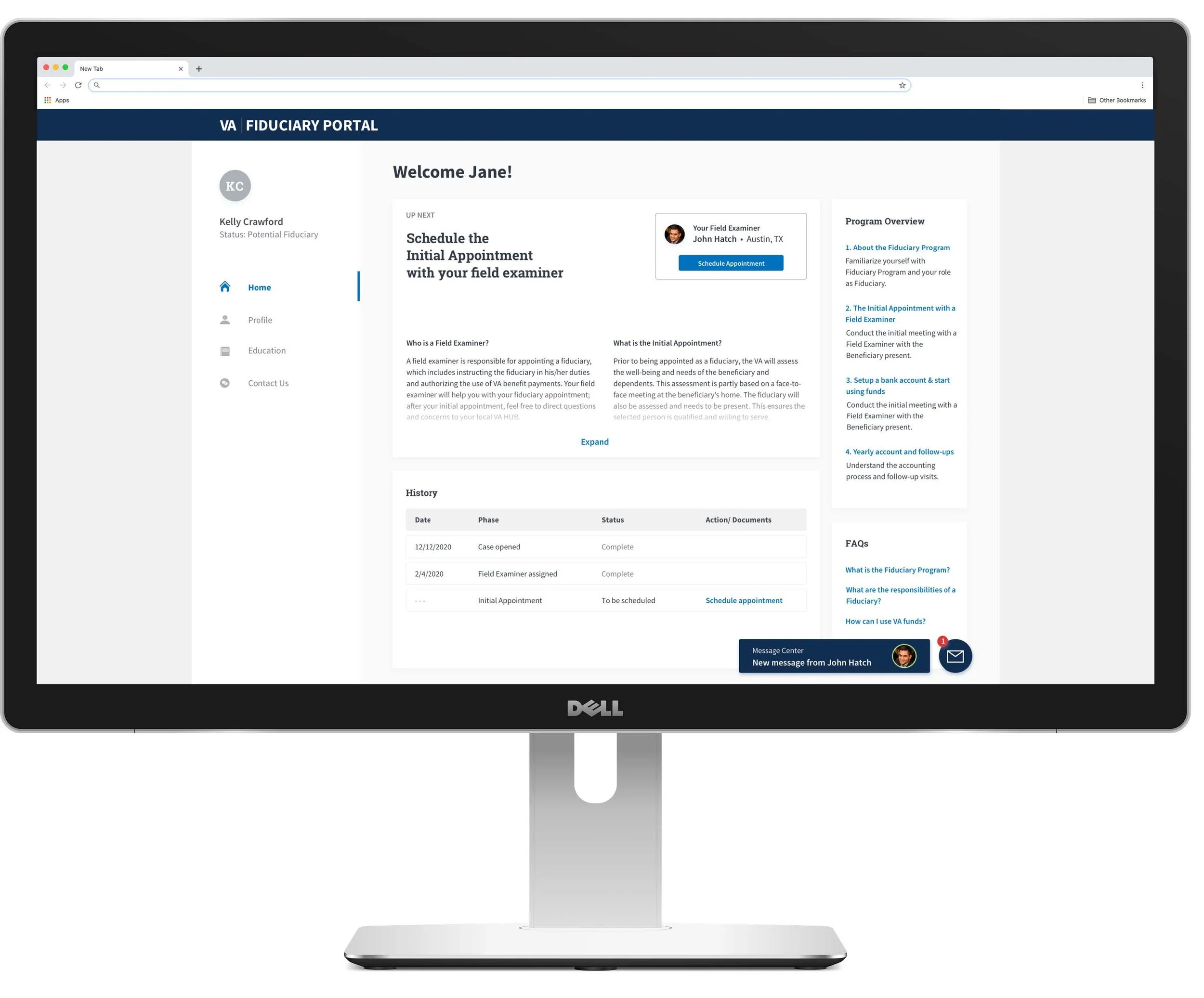
Prototype and Test | We created 3 interactive low-fidelity prototypes and ran remote moderated concept feedback sessions with 7 fiduciaries and 4 field examiners. Based on their feedback we validated the value for each idea but discovered certain educational content was missing and some tracking information wasn’t clear and didn’t align with the users priorities. We updated the content sections and tracker segments as well as the documentation capabilities based on these findings. Our final deliverable included updated high-fidelity prototypes.
DELIVERED
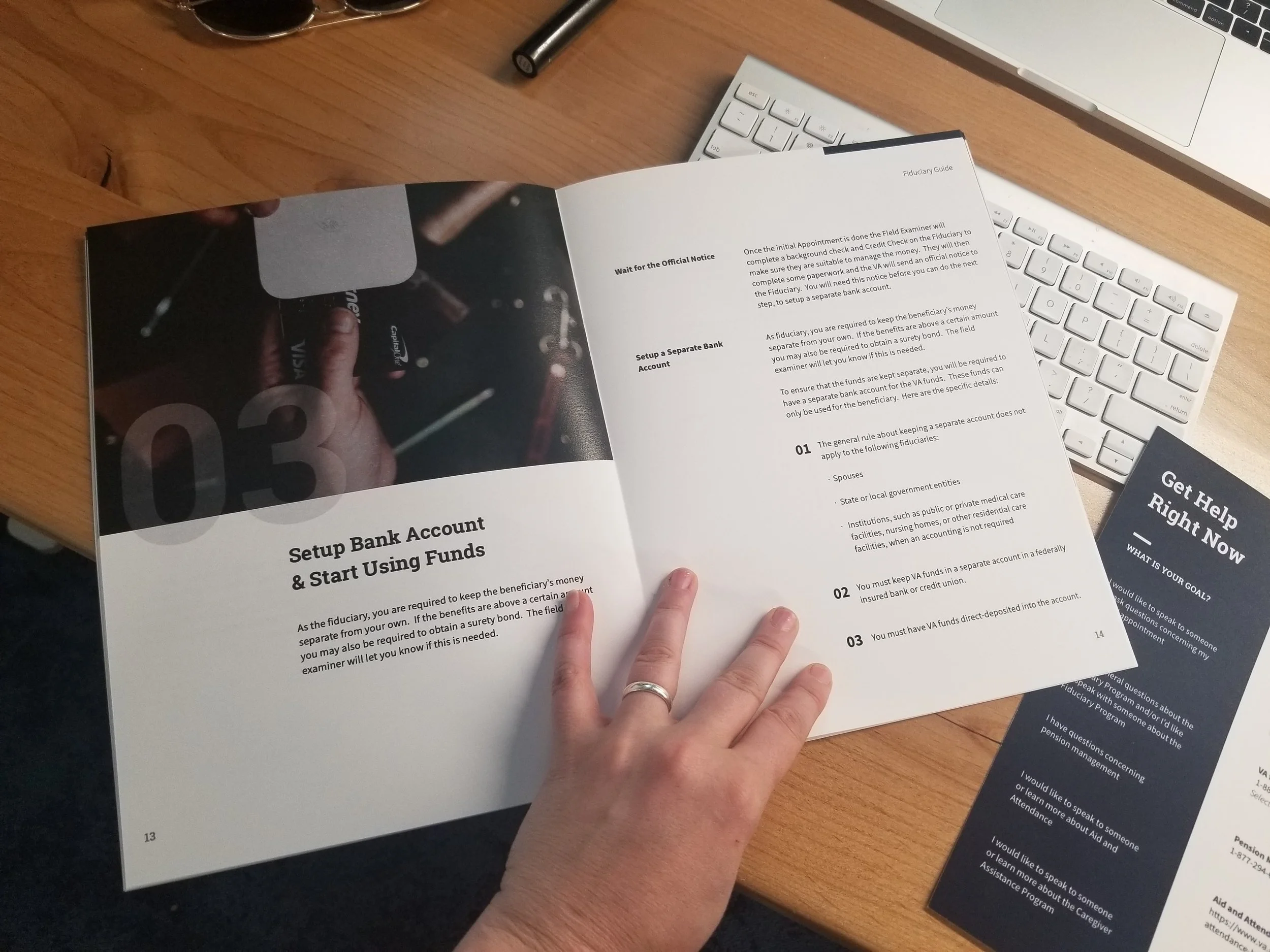
Concept prototypes | We provided 2 interactive prototypes and 1 printable prototype with a 1-page concept summary infographic.
User experience journey maps | Three user experience maps based on each field exam type from the field examiner and fiduciary perspective.
Research insights presentation | A PDF presentation of discovery insights from in-depth interviews and ride-a-longs.
Solution delivery requirements | A document of requirements and architecture map to assist delivery partners to accurately define a delivery plan and timeline.
At the final presentation, we were able to put the prototypes in the hands of the Veteran Affairs leadership to instill deep understanding and confidence as we presented our findings, recommendations, and answered questions.